Main applications in our catalog
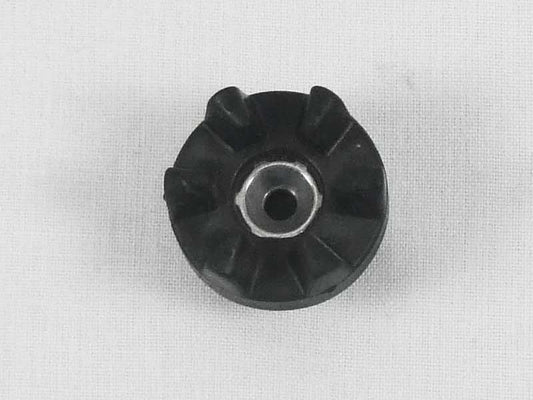
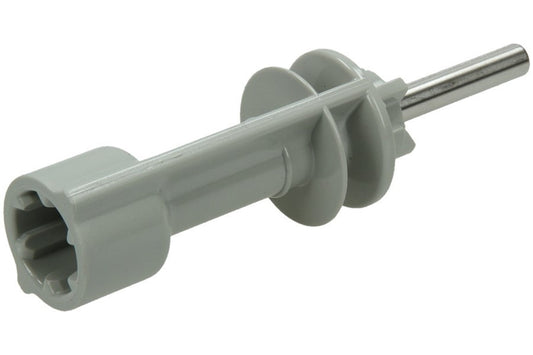
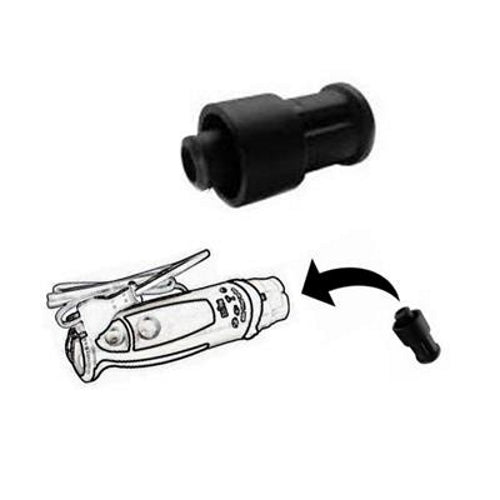
The category includes joints, pins, couplings, hubs, and transmission components used in various small appliances. The most common applications involve food processors, blenders, stand mixers, coffee machines, electric brooms, vacuum cleaners, and appliances with interchangeable accessories.
Kenwood
Chef · Major · MultiPro · Prospero · kMix
Joints, pins, and couplings for food processor and stand mixer accessories
Moulinex / Tefal
Food processors, blenders, and compatible accessories
Pins, hubs, and connection couplings for rotating parts
De'Longhi
Coffee machines and compatible small appliances
Pins, supports, and model-specific movement components
Rowenta
Electric brooms, vacuum cleaners, and cleaning appliances
Swivels, pins, and joints for accessories and moving parts
Braun
Blenders, food processors, and kitchen accessories
Couplings and joints for accessory connection and motion transmission
Ariete
Blenders, food processors, and small appliances
Replacement joints and pins for transmission and component engagement
Types of joints and pins
Transmission joints
Transmission joints connect the motor to blades, whisks, accessories, or rotating components. When they wear out, the motor shaft may turn, but the accessory remains stationary, slips, or operates irregularly.
Support and rotation pins
Pins hold moving parts such as lids, doors, arms, swivels, or accessories in place. A broken or worn pin can cause play, vibration, misalignment, or difficulty engaging.
Accessory couplings
Food processors, stand mixers, and blenders use specific couplings to connect external or internal accessories. Compatibility depends on shape, teeth, diameter, depth, and locking system.
Hubs and mechanical supports
Hubs and mechanical supports ensure the correct coupling of two moving parts. If deformed or worn, they can cause noise, vibration, and power loss during transmission.
How to identify the correct spare part
To choose the right joint or pin, it is best to check:
-
Exact brand and model of the appliance
-
Function of the part: transmission, rotation, support, engagement, or swivel
-
Coupling shape, teeth, and diameter
-
Mounting position in the machine body or accessory
-
Any codes printed on the original part or indicated in the technical exploded view
If in doubt, a photo of the model nameplate and the original spare part viewed from multiple angles helps reduce the risk of error.
Most common problems and solutions
⚙️Motor turns but the accessory remains stationary → worn or broken transmission joint
🔊Abnormal noise or vibration → misaligned pin or hub
🧩Accessory does not engage → deformed coupling or incompatible model
↔️Moving part with excessive play → worn pin or damaged seat
💥Broken joint or broken teeth → replacement of the spare part is necessary
📏Similar but incorrect spare part → differences in diameter, teeth, or depth
FAQ — Frequently Asked Questions
Are joints and pins universal spare parts?
No. They are specific components for the brand, model, and type of accessory. Even small differences in diameter, teeth, or shape can prevent proper mounting.
If the motor turns but the blades do not move, could it be the joint?
Yes. In blenders, food processors, and mixers, a worn or broken joint can prevent the transfer of motion from the motor to the blades or accessory.
Can I install a similar but not identical joint?
This is not recommended. If the coupling does not fit perfectly, it can slip, break quickly, or damage the motor or connected accessory.
How do I know if the pin is for the right, left, or a specific position?
The original part should be compared with the spare part, and the mounting position checked. A photo of the disassembled component helps distinguish the side, orientation, and correct shape.
Can a broken joint cause noise or vibration?
Yes. A worn, cracked, or misaligned joint can generate vibration, abnormal noise, and power loss during operation.
Is a photo enough to identify the correct spare part?
A photo is very useful, especially if it shows the original part, the mounting seat, and the appliance's model nameplate. With this information, it is easier to check compatibility.